
TEAM
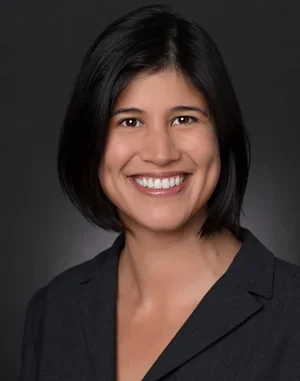
Kavita Sarin
ksarin@stanford.edu
Kavita is a "Stanford lifer". She received her undergraduate degree in Computer Science followed by her M.D. and Ph.D. in Genetics where she studied the role of telomerase in stem cell fate. She continued her residency training in Dermatology followed by a postdoctoral fellowship applying next generation sequencing to cutaneous neoplasms. Her research focuses on the genetics of skin cancer and inherited skin cancer risk. She spends her spare time chasing after her two children, boxing, doing pilates, and eating McDonalds.
ahoj@stanford.edu
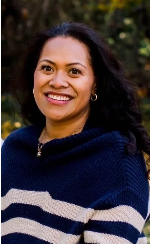
Juniper is the Sarin Lab Administrative Assistant. She graduated from California State University, East Bay with a degree in Strategic Communications and is a Bay Area native, raised on the Peninsula. She joined Stanford University in 2022 and has continued to build her career in academic and clinical administration. Outside of work, Juniper enjoys serving in her community, thrifting and spending time watching football with her husband and sons.
Juniper Aho

loa@stanford.edu
Sharon is an MD–PhD student in Biophysics at Stanford University School of Medicine. Her goal is to develop physics-driven light therapies and sensors that reveal skin as a hidden window into disease. She is advancing 3D pathology approaches for skin and, in parallel, developing KLEAR‑PDT, a refractive‑index–matched photodynamic therapy platform designed to provide the first non-surgical, repeatable field therapy for skin malignancies. She completed her Biochemistry degree at the University of Montana, where she solved several novel protein structures, and was an NIH research fellow at Mayo Clinic studying cancer metabolism. Sharon is also a Knight-Hennessy Scholar and Paul & Daisy Soros Fellow. In her spare time, Sharon enjoys cuddling with her dog, designing and building random things, lifting weights, and meditating.
Sharon Loa
vsta@stanford.edu
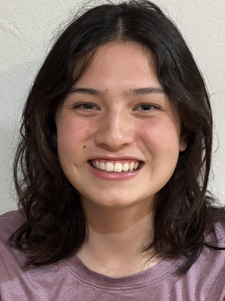
Valerie is currently an undergraduate student studying Human Biology at Stanford. In the lab, she is interested in improving non-invasive tissue imaging techniques, as well as exploring skin-clearing agents to optimize the efficacy of light-based therapies. In her free time, she enjoys swimming and playing badminton.
Valerie Sarah Ta

louizaz@stanford.edu
Louiza is an undergraduate at Stanford University majoring in Human Biology. Originally from the Bay Area, she is particularly interested in the intersection of science and technology, and how emerging technologies can be used to better understand disease processes and improve patient care. In her free time, she enjoys dancing, fitness classes, and traveling.
Louiza Esther Zughbaba
sagunjp@stanford.edu
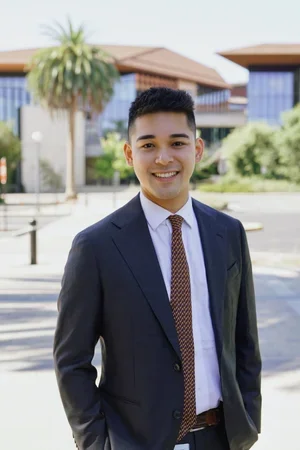
Jeffrey is a REACH Postbac Scholar at Stanford Medicine. He was born and raised in Chicago. He received his B.S. in Neuroscience from Trinity College–Hartford in 2021 and was a Posse Foundation Scholar. He then spent three years training at the NIH/NCI as a NIH Academy Enrichment Program Scholar and Postbac CRTA Research Fellow, studying neurological disease in xeroderma pigmentosum patients. He is currently interested in the clinical characteristics and genetic causes of rare or complex disease patients. He enjoys hydroponics, Orangetheory Fitness, and watching theatre and Broadway shows.
Jeffrey Penular Sagun

nsriniv@stanford.edu
Nethra is a B.S. candidate in Neuroscience at Case Western Reserve University. Originally from the Bay Area, Nethra is passionate about exploring epidemiological patterns in dermatological conditions. Outside of the lab, Nethra is founder of The NeuroKidz, a 501(c)(3) dedicated to enriching the lives of children from diverse backgrounds through the education of neuroscience with STEAM (STEM + arts). She also enjoys dancing, evening walks, learning new languages, travelling, and photography.
Nethra Srinivasan
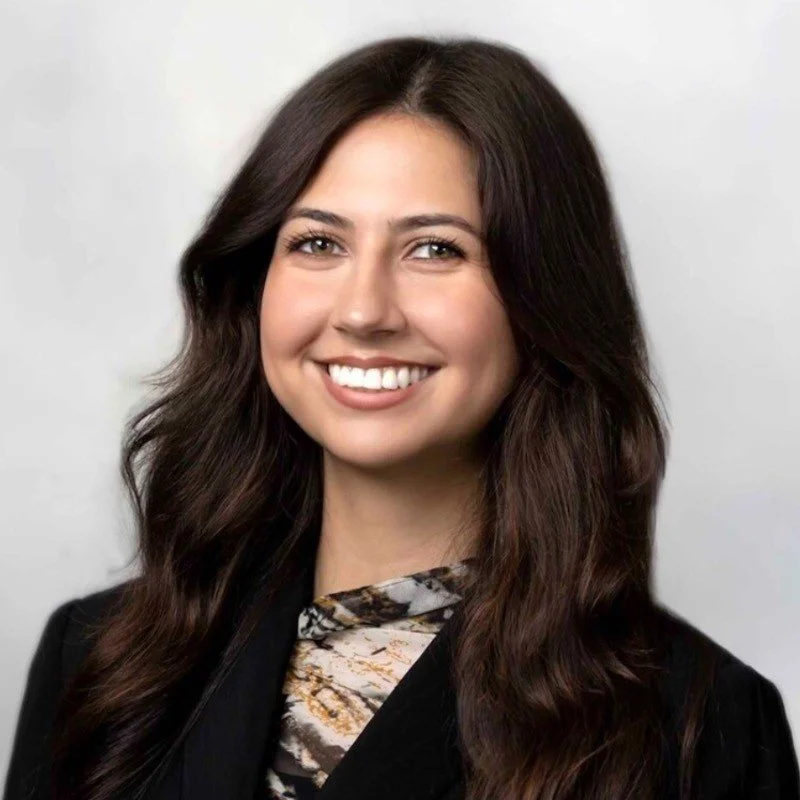
caravan@stanford.edu
Sahar Caravan is an MS3 at Stanford School of Medicine. She studied biochemistry and geography at Hofstra University, where she spent four years in an analytical chemistry lab studying thermal degradation of vape fluids. Her current research interests include refugee health, hidradenitis supportiva, and big data. Her hobbies include latte crafting, thrifting, and making jewelry.
Sahar Caravan

haniyash@stanford.edu
Haniyah is currently an M.D. candidate at Stanford University School of Medicine. She graduated from the Massachusetts Institute of Technology (MIT) with a degree in Biological Engineering and Computer Science. Prior to medical school, Haniyah’s research focused on engineering micro-environments to direct bile duct assembly for liver tissue regeneration and in-vitro modeling. Currently, her research in the Sarin Lab focuses on the genetics of skin disease. In her free time, she enjoys fitness classes and traveling.
Haniya Shareef

czheng8@stanford.edu
Chenming (Angel) is an M.D. candidate at Stanford University School of Medicine. She graduated in 2022 from the University of Pittsburgh, where she majored in molecular biology and minored in philosophy. Her previous research focused on identifying and characterizing enhancer sequences in zebrafish. She is currently working on understanding the genetic and clinical risk factors in patients with multiple melanoma. During her free time, Angel enjoys watercolor painting, learning new dances, and watching old Hong Kong movies.
Chenming Zhang

michjlin@stanford.edu
Michelle is currently an M.D. candidate at Stanford University School of Medicine. She graduated from the University of Washington in 2020 with a degree in Biology. Before medical school, Michelle spent several years studying viral genomics and developing computational tools for next-generation sequencing analysis, which were used extensively for COVID-19 surveillance sequencing in Washington state and phase III clinical trials for development of novel vaccines. Currently, her research in the Sarin Lab focuses on the genetics of skin disease. In her spare time, she enjoys reading novels, traveling, and crocheting.
Michelle Lin
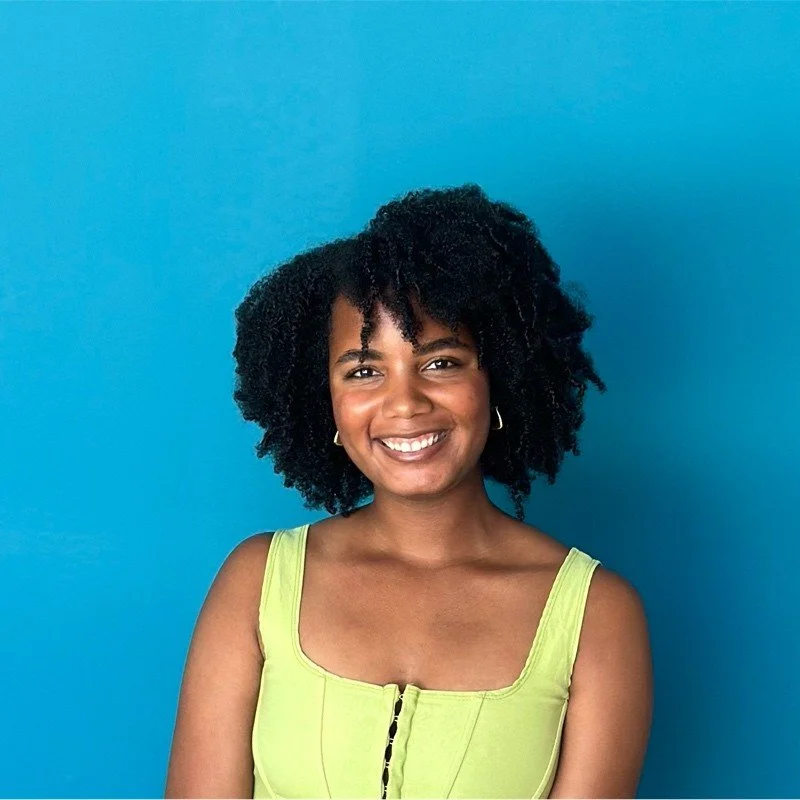
marlayna@stanford.edu
Marlayna graduated from the College of Wooster where she received a bachelor's degree in Biochemistry & Molecular Biology and completed a thesis focusing on creating a Boolean model of crosstalk between senescence and epithelial to mesenchymal transition. Marlayna was given the opportunity to present this research over the summer at the NetBioMed 2021 Conference. Marlayna enjoys playing video games with friends, watching movies, and doing puzzles.
Marlayna Harris
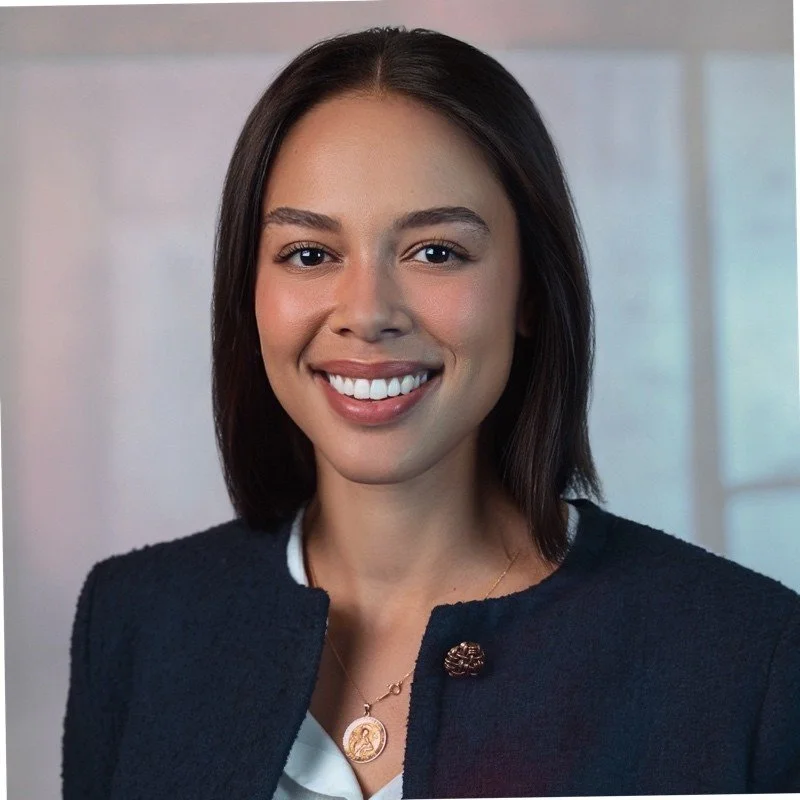
vharbour@stanford.edu
Victoria (Tori) is an M.D. candidate at the Stanford University School of Medicine. She graduated from New Jersey Institute of Technology with a B.S. in Chemical Engineering in 2018 and an M.S. in Chemical Engineering in 2020 as an NSF Graduate Research Fellow. Before attending medical school, she spent a year as an associate scientist at Merck in drug development. Her research interests involve identifying immunological markers and environmental risk factors of hidradenitis suppurativa flares. She is interested in the ways in which the intersection of big data, emerging technologies and clinical observations can address dermatological diseases. Outside of school, she enjoys traveling, rock climbing and learning Spanish.
Victoria “Tori” Harbour
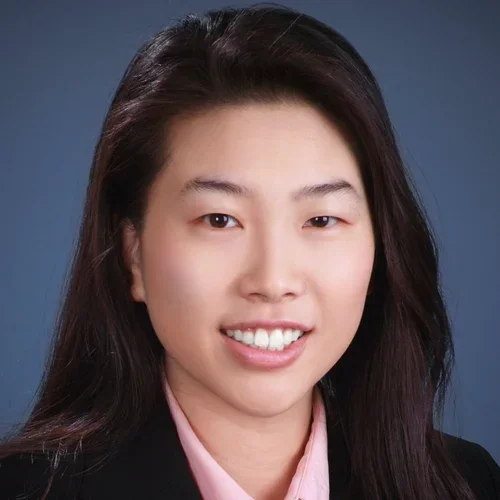
Audris Chang
audrisc@stanford.edu
Audris received undergraduate degrees in Computer Science and Economics at UC Berkeley, followed by a pre-medical program at the University of Pennsylvania, and obtained her medical degree at UC Irvine. She is currently a dermatology resident at Stanford in the 2+1 basic science research track, working in Dr. Kavita Sarin and Dr. Christina Curtis’ labs. Her research interests include studying the genetics and epidemiology of skin cancers to differentiate risk factors and mechanism of development, for the purpose of personalized targeted prevention and treatment applications. During her spare time, she enjoys kickboxing, vinyasa yoga, and watching animated shorts.
Collaborators
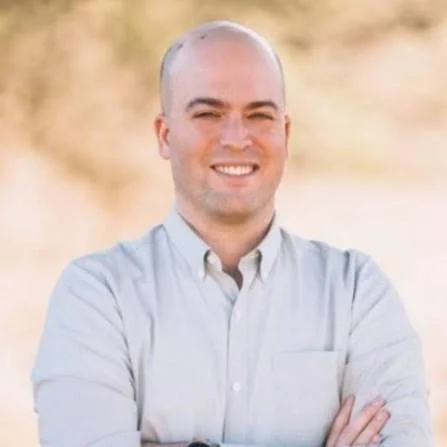
Sumaira Aasi
Sumaira Aasi is a Professor at Stanford University and the Director of Mohs and Dermatologic Surgery. Her work focuses on the diagnosis and treatment of skin cancer, with particular expertise in Mohs surgery, a precise surgical technique used to remove certain skin cancers while preserving as much healthy tissue as possible. Through her clinical leadership, teaching, and research, she contributes to advancing dermatologic care and mentoring future physicians in skin cancer treatment and surgery.
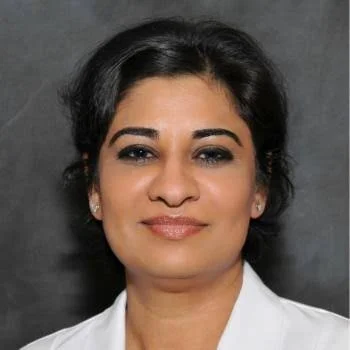
David Florentino
David Fiorentino is a Professor of Dermatology at Stanford University and the Director of Stanford’s multidisciplinary rheumatic skin disease clinic. His work focuses on complex autoimmune and inflammatory skin diseases, especially conditions that involve both dermatology and rheumatology. Through his clinical leadership, research, and teaching, he helps advance care for patients with rheumatic skin diseases while supporting collaboration across specialties.
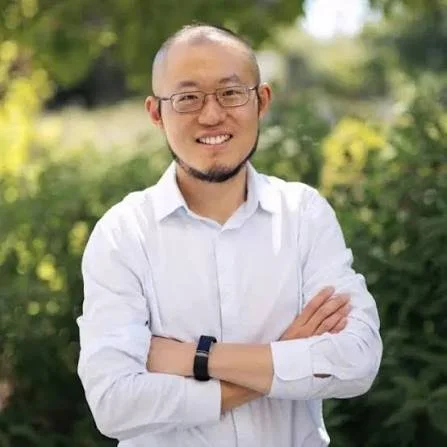
Kerri Elyse Rieger
Kerri Elyse Rieger is a Clinical Assistant Professor of Dermatology and Pathology at Stanford University. Her work bridges clinical dermatology and dermatopathology, with research interests that include histopathologic findings in cutaneous lymphoma, hospitalized patients, and patients with autoimmune disease. Through her clinical, teaching, and research roles, she contributes to improving the understanding and diagnosis of complex skin conditions.

Yonatan Winetraub
Yonatan Winetraub is a space technology entrepreneur, educator, and innovator. He is the founder of Aptos Orbital and a co-founder of SpaceIL, the organization known for advancing private space exploration efforts. In addition to his work in aerospace and entrepreneurship, he also serves as an instructor at Stanford, where he helps mentor and educate the next generation of scientists, engineers, and innovators.
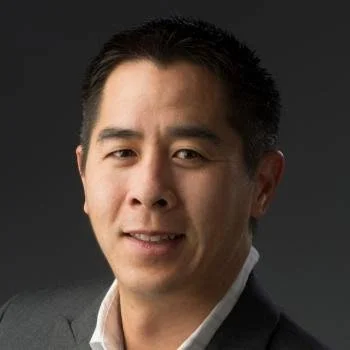
Guoson Hong
Guosong Hong is an Assistant Professor at Stanford University and the leader of the Hong Lab. His work focuses on developing advanced technologies at the intersection of materials science, bioengineering, and neuroscience, with an emphasis on creating tools that can help researchers better understand biological systems. Through his lab, he leads innovative research that connects engineering and medicine, while also mentoring students and trainees in cutting-edge scientific approaches.
Jonathan Liu
Jonathan Liu is a biomedical engineer and Professor in the Department of Pathology at Stanford University. His work connects engineering, imaging, and medicine, with a focus on developing technologies that can improve how researchers and clinicians study disease. Through his research and teaching, he contributes to advancing biomedical innovation and applying engineering approaches to important challenges in pathology and patient care.
VOLUNTEERS

Sally Glaser
Margarita Golod